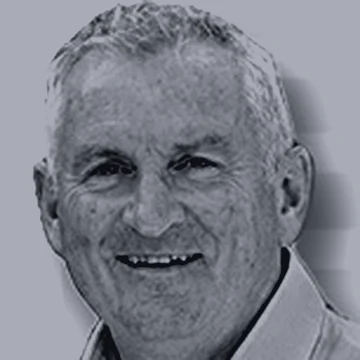
Steve Loughran
Director
Thirty years building enterprise systems, and delivery teams led at Autonomy, BP and Chevron. He has built the engineering systems that oil and gas operators and major capital projects run on.
Why Unmined
This is not a team learning what a plant is. The people here have led the delivery of the engineering, document and control systems that oil and gas operators and major capital projects run on, at BP, at Chevron and at Autonomy. That is why the product starts with your documents. It is why it does not need a capital request. And it is why every answer can be traced back to the machine it came from.
85 yrs
Combined experience across the four people below
Oil and gas
Where most of that experience was earned
Real time
Process control and time series data, on systems not allowed to stop
Audited
Built for regulators, courts and capital projects that check the working
The team
Every one of them has delivered systems into working industrial sites, under someone else's rules and someone else's deadline.
Steve Loughran
Director
Thirty years building enterprise systems, and delivery teams led at Autonomy, BP and Chevron. He has built the engineering systems that oil and gas operators and major capital projects run on.

Artem Demidovich
Technology and innovation
Twenty years taking products from a strategy document to a live launch, in energy, finance, government and industry, including national platforms carrying millions of transactions.

Tatyana Kan
Enterprise architect
Ten years designing enterprise systems for oil and gas. Her work is the awkward part: real time process control, time series data, and systems not permitted to go down.
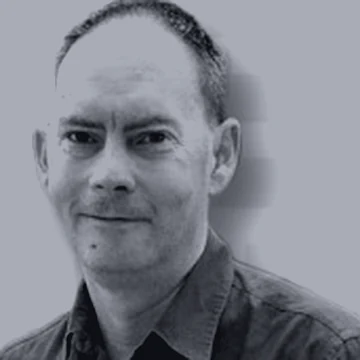
Cory Brightman
Project and product delivery
Twenty five years delivering information and workflow systems in oil and gas, banking and insurance. Global rollouts, in regulated environments, across several companies at once.
What it changed
Each one is a mistake we have watched happen from the inside.
01 · Documents first
Plant modelling projects fail on the equipment list, not on the modelling. So the first thing we do is read your drawings and datasheets and build a list you can search. Nothing gets modelled on top of a list nobody trusts.
02 · Operating budget
We have sat on the capital projects where sensors lose the argument to a crusher rebuild, and they should. So the cost sits in the operating budget and is measured against a production number your site already reports.
03 · Traceable
Building evidence systems for regulators teaches you that an answer nobody can trace is worthless. Every reading carries the machine it came from, the date, and how confident we are. It stands up when somebody checks.
04 · Whole signal
Real time process data is where most of this work is lost. One average reading tells you something changed and nothing about what broke, so we send the whole sound of the machine, wirelessly, and keep the detail that gives a fault away.
The gap
Four published industry estimates, not our own numbers. They describe the job we started the company to do.
5%
Of machines get a sensor that hears everything
95%
Of machines send one average reading, or nothing at all
80%
Of unplanned downtime comes from those unmeasured machines
75%
Of plant modelling projects fail on the data going in
Which machines get measured has little to do with how important they are. It is decided by the cost of cable. A main compressor is worth wiring up, so a conveyor drive at the far end of the plant gets a cheap sensor or gets nothing, and then stops the plant. Reaching those machines without a cable is the problem we set out to solve.
Somebody else paid for the hardest engineering. Aerospace and heavy engineering customers ask for the difficult things and fund that work directly. Two of our hardest problems were solved for them: sending everything a machine says through rock and water with no cable, and taking a reading straight off a spinning shaft, which a university research group tested and confirmed. We then strip the cost out of the design and keep the engineering. See how we do it
Questions
Six questions come up in nearly every first conversation. The answers are the same whether you ask them now or on the call.
“We did not have a data shortage. We had thousands of numbers and nothing we could model against.”
Next step
Name the machines you have never been able to justify wiring up. We will tell you three things: what we have already proved on that kind of machine, what a first job would measure, and what it would cost to find out.