Skip to content

From documents to decisions

Any plant. Any machine. One record, from drawing to decision.

Three things go wrong in most plants. No two systems agree on what equipment is actually there. Anything built on top of that list runs on numbers from years ago. And nobody ever asks the machines themselves. We fix all three, in that order. You pay out of the operating budget, against a production number you already report.

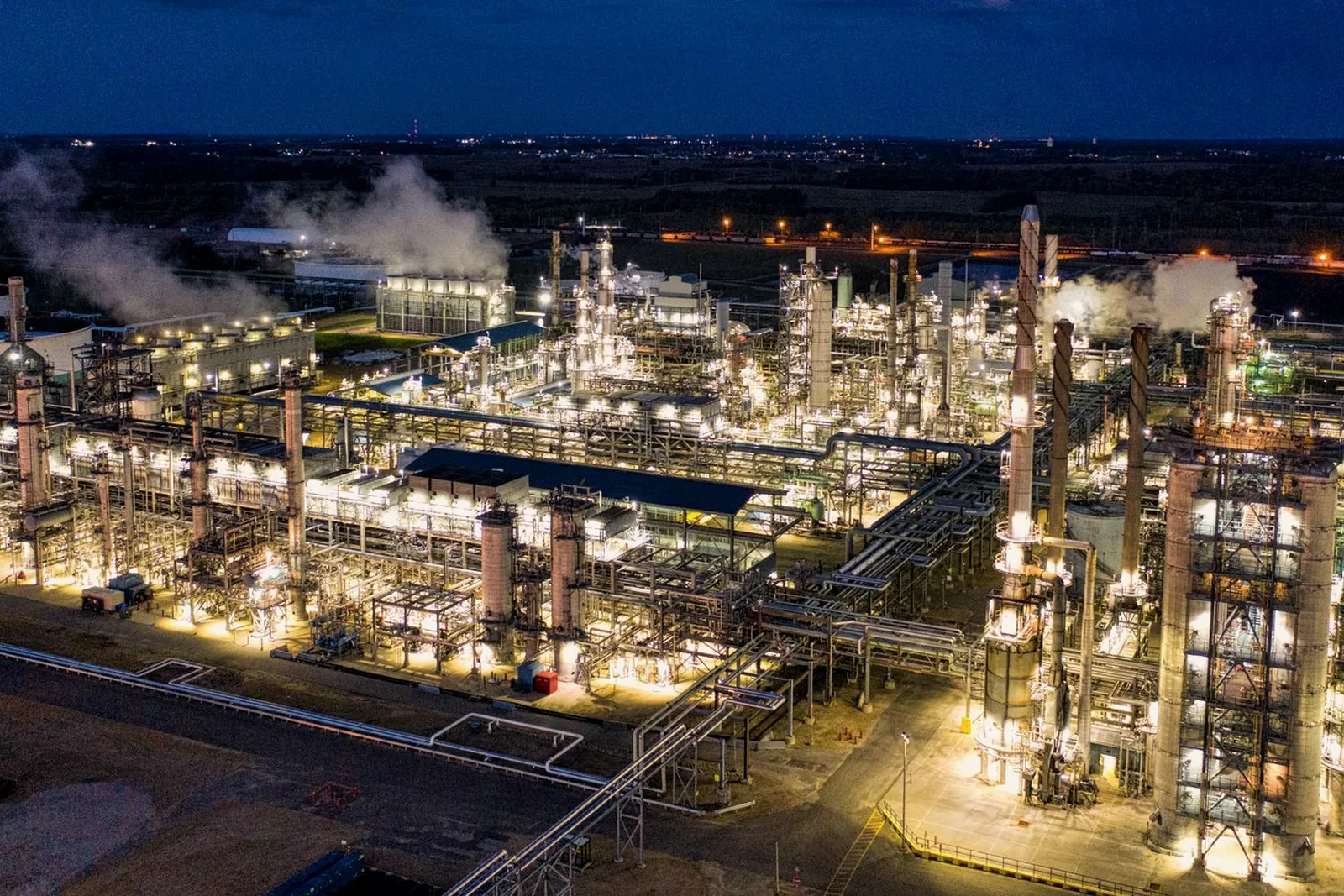
A process plant lit up at night, distillation columns and pipework picked out by work lighting
Asset Register Digital Twin Sensors

In operation

  • Live underground at a hard rock mine in South Africa
  • Live in an aero engine test cell in England
  • Proofs of concept rolling out across England and Ireland

75%

Of plant modelling projects fail on the data going in

Everything

We listen to the whole machine, not a summary of it

Weeks

From a folder of documents to a list your engineers trust

Yours

It works with the systems you already run, and the data stays yours

The failure rate is a published industry estimate. The other three describe what we build, and we prove them on your own plant during the first project.

The chain

Three steps between a filing cabinet and a decision.

Each step depends on the one before it. A mistake in the equipment list is invisible by the time somebody makes a decision on it.

Documents

What you have

Drawings, handover packs, purchase orders, inspection reports, decades of email. Everything is written down somewhere, and none of it can be searched.

Input

Asset Register

One agreed record per machine

We read all of it, check it, settle the disagreements, and put the result back into your systems. Three equipment lists become one.

01

Digital Twin

A model worth trusting

A working copy of the plant, built on that list, so you can try a change before it reaches production.

02

Live signal

The machine answers

A sensor on the machine reports what it is doing right now, and the model is corrected against it.

03

Projects break at step one or step three. Almost never at step two. Either the equipment list was wrong, or the readings were averages with no machine name on them. That is why we own all three steps and not just the middle one.

Divisions

Three divisions. One chain.

Most sites buy one of them. Each one works on its own. All three sit in one company, so joining them up is our job and not yours.

Division 01 · Reading your documents

Turn the filing cabinet into a list you can search.

We read your documents, including handwriting, sort out what they say, send anything doubtful to a person to check, and write the corrected version back into your systems. The same software also answers a regulator or a court.

Asset Register
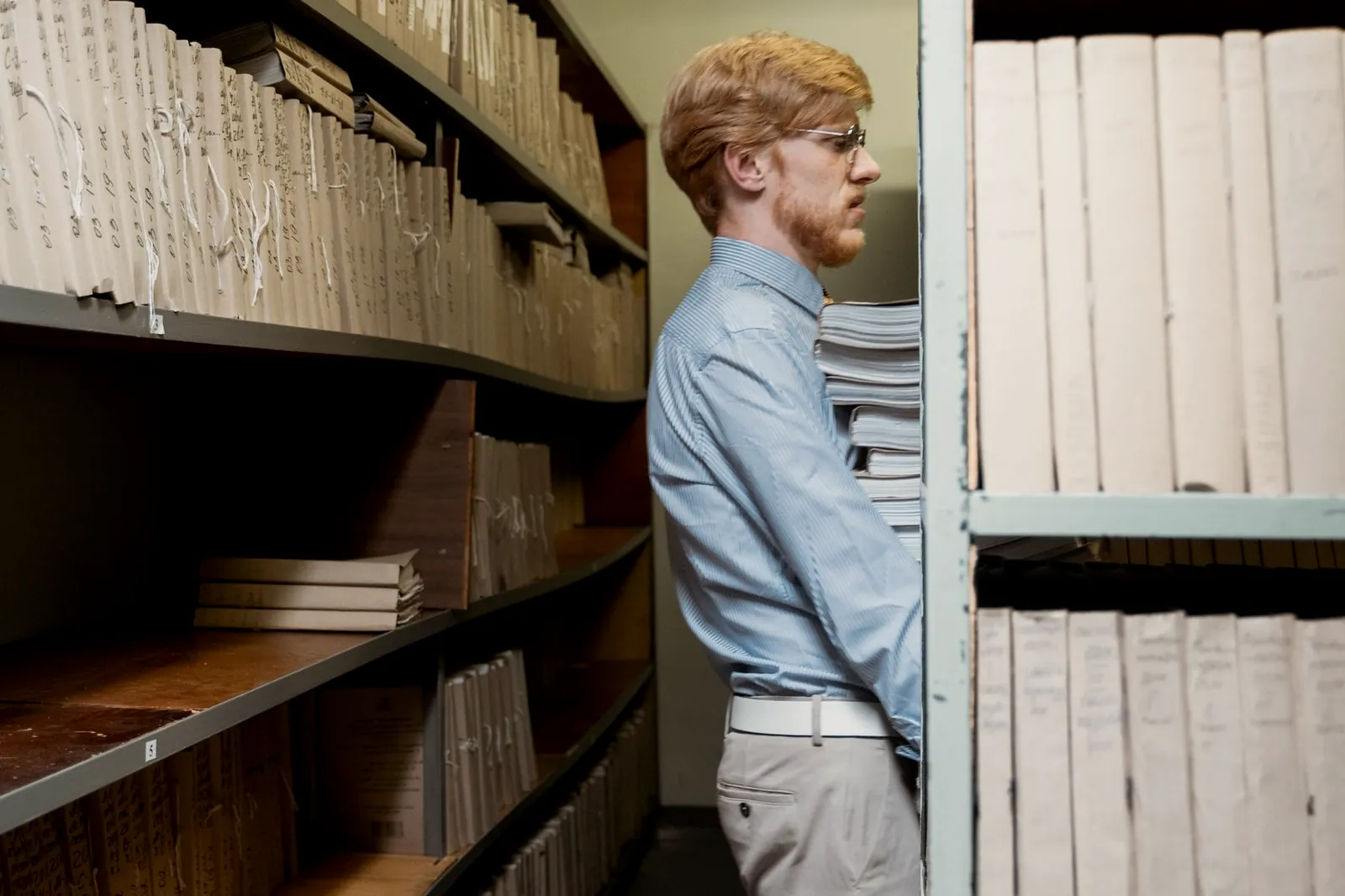
A records room of steel shelving stacked with bundled paper documents, an archivist carrying a stack of files Register

Division 02 · Modelling your plant

Test the change on a copy first.

A working copy of the plant. Try a change on the copy, see what it costs, and only then touch the real thing. Most of these projects fail, and almost never because of the modelling. They fail on the data going in.

Digital Twin
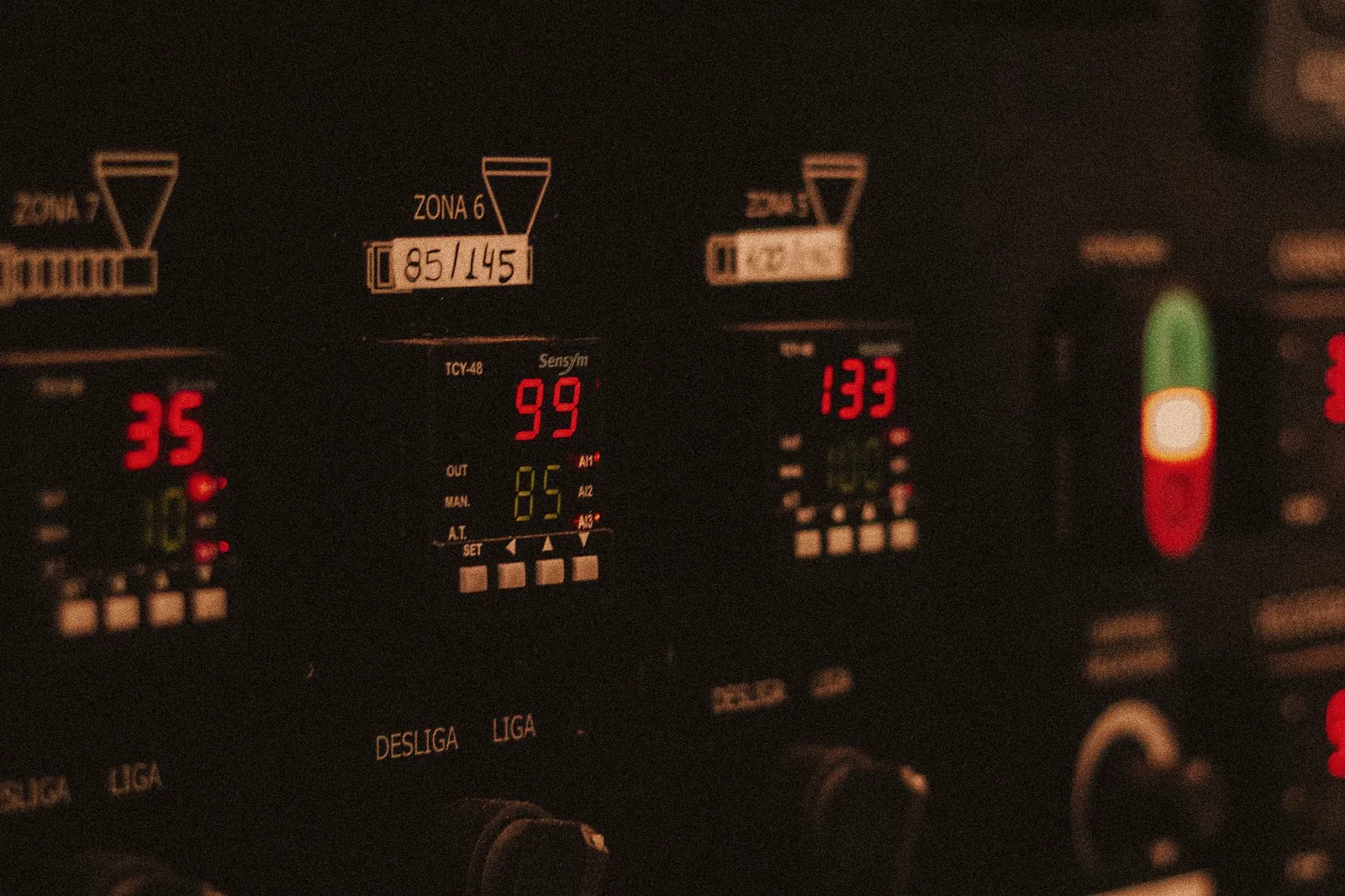
A dark industrial control panel with lit digital readouts showing live zone temperatures and setpoints Twin

Division 03 · Listening to your machines

Ask the machine directly.

We listen to the machines everyone else skips. The sensor is sealed against dust and water, the machine's own movement powers it, and it tells you which part is failing.

Sensors
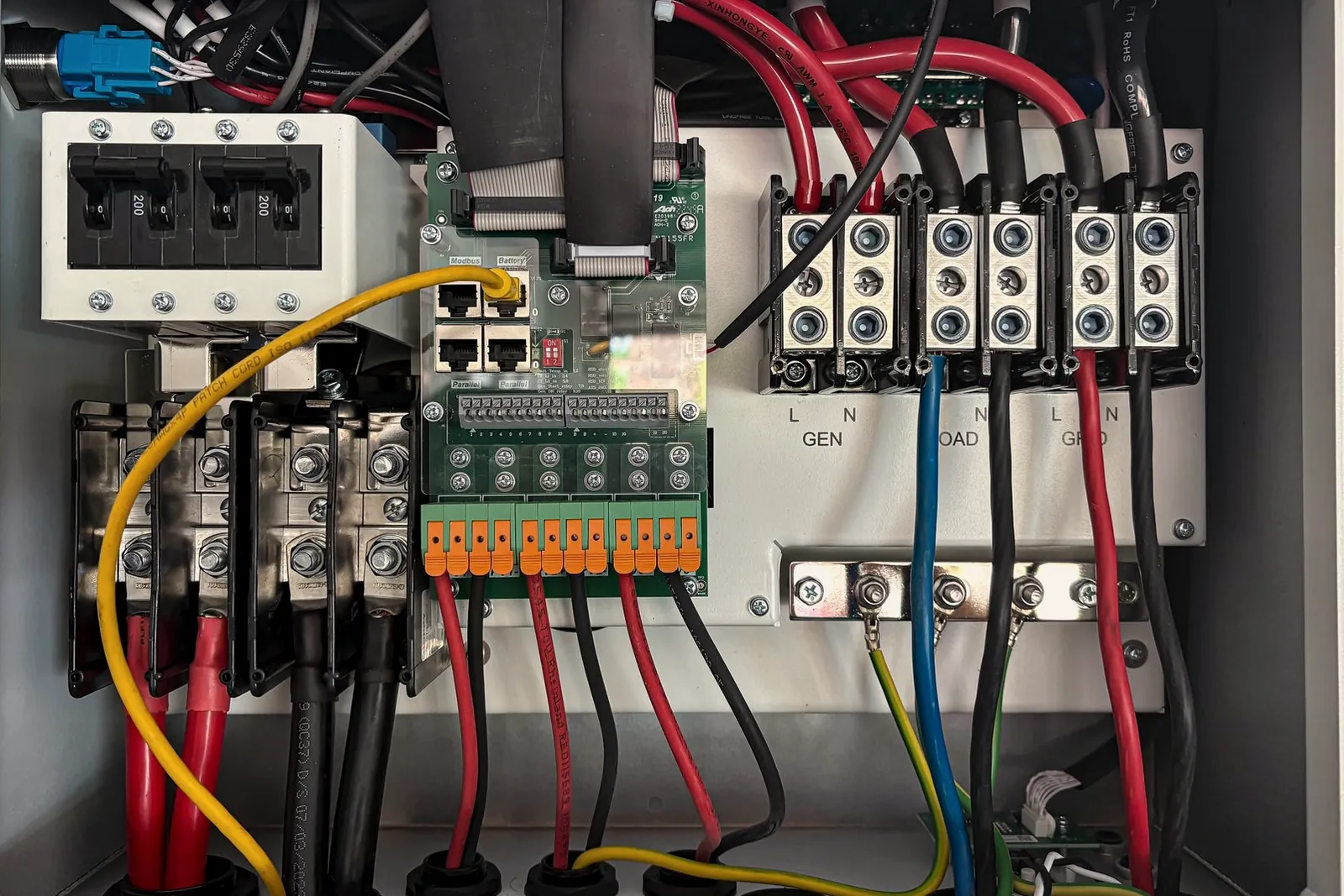
The inside of an open electrical enclosure, circuit breakers and colour coded wiring landed on terminal blocks Sensors

In practice

One sensor. Four kinds of machine.

We do not sell to one industry. We sell to anyone who runs machines against a production target. One sensor and one set of software cover all four groups below.

Rotating equipment

Motors, pumps, fans, compressors, gearboxes

The everyday machines, listened to properly for the first time.

Heavy process units

Mills, crushers, kilns, columns, reactors

We tell what is happening inside by listening to the outside. No hole drilled, nothing shut down.

Mobile fleets

Rolling stock, haul trucks, marine drivetrains

Fitted on the vehicle, or beside the track. Every reading carries the place it came from.

Regulated processes

Sterile vessels, hygienic lines, energy plant

Nothing touches the product, there is no new part to get approved, and records can only be added to, never edited.

Every industry works the same way. Oil and gas, mining, rail, pharma, food, manufacturing, logistics, waste, energy, hospitals. The three steps never change. Two things do: which faults we look for, and how the report is written. How it lands on site

Field record

It already works in the hardest places.

Machines destroy the instruments that measure them. All three results below come from our own sensors, running on real plants, in dust, water and constant impact.

Two years and counting

A hundred sensors, still running

A hundred sensors packed close together in a heavy processing plant, reporting for more than two years. Packing wireless sensors that close together is normally where these installations fail.

Three years unbroken

It survives the plant

Three years without a break, on equipment that shakes instruments to pieces for a living.

Independently checked

A reading nobody thought possible

We took a reading straight off a spinning shaft, which most engineers believed could not be done. A university research group tested it and confirmed it.

Commitment

What a first project does not need.

Each of the six below is a reason this kind of project stalls before it proves anything. None of them apply to a first project with us.

No shutdown
Sensors stick on with a magnet in minutes, or arrive inside a spare part you already buy.
No capital request
It comes out of the operating budget and is measured against output, uptime, yield or energy.
No new hire
You get the failing part named, an estimated date and how hard the machine is working, in the units your reports use today.
No site visit
We build the equipment list from your documents alone, so the cheapest first step needs no site visit.
No lock in
It plugs into the systems you already run, and every corrected record goes back into them. Your data stays yours.
No open ended scope
One machine or one set of documents, a fixed price, and we agree how success is measured before starting.

One company

We started with documents.

Unmined started in Dublin, making sense of records that big regulated companies could not search: legal files, plant documentation, equipment lists. Every time, the information was there and nothing could read it.

Customers then asked us to model the plants those documents described, and the models had nothing live feeding them. A machine carries the same hidden information. It is in the way the machine moves, not on paper. So we built the instrument that reads it.

Dublin, IrelandRegulated industriesPlant modelsSensors
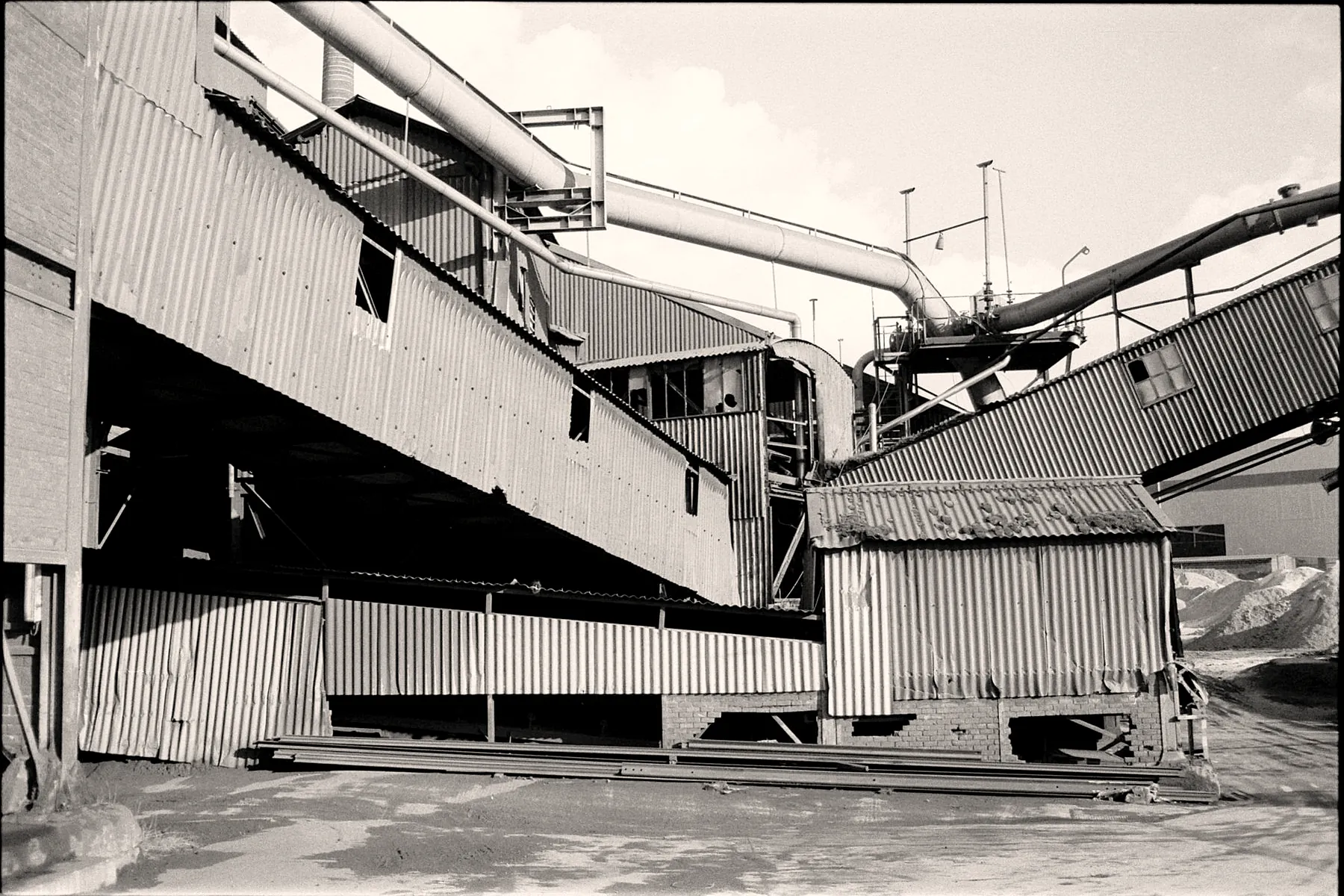
The corrugated steel conveyor housing and headframe buildings of an old mineral processing plant

Contact

Start where it hurts.

One machine, one line, one folder of documents. Tell us which of the three is costing you the most. We will tell you which division answers it first, and which one we would not start with.

  1. 01 A 40 minute call with an applications engineer, not a salesperson.
  2. 02 We agree one machine or one set of documents, and write down what success looks like.
  3. 03 A fixed price first project on exactly that, with the measure of success agreed up front.

For example, a smelter in Limpopo or a filling line in Cork.

Submitting opens your own email app with the details filled in. Press send and we reply within one working day.

Registered
Unmined Limited, Dublin, Ireland
Reply time
One working day
Integrations
Works with the systems you already run
Commercial model
Paid from the operating budget, against a result you already report